What Is Glaucoma?

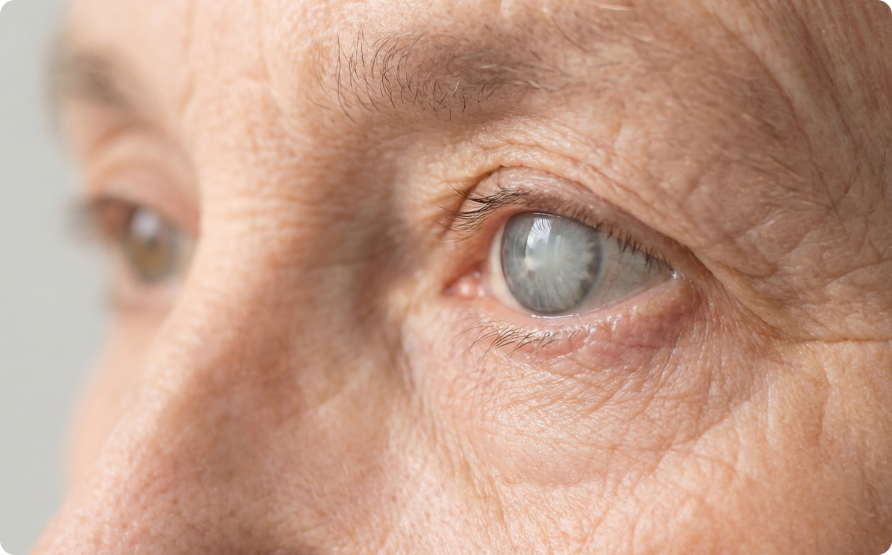
Glaucoma, also known as “cườm nước” in Vietnamese, is one of the leading causes of blindness worldwide. The condition often progresses silently and causes irreversible damage. However, when detected early and treated properly, patients can control vision damage and maintain their eyesight over the long term.

Common Types of Glaucoma

Primary Open-Angle Glaucoma

– The most common form of glaucoma, which progresses silently.

– Gradually increased intraocular pressure damages the optic nerve.

– Patients often have no obvious symptoms until their vision is significantly affected.

Primary Angle-Closure Glaucoma

– This type may occur suddenly, causing an acute glaucoma attack with symptoms such as eye pain, nausea, vomiting, headache, and noticeable blurred vision. Without timely emergency treatment, it can lead to rapid vision loss.

– It may also progress silently, causing chronic elevated eye pressure that patients may only discover when their vision has already been significantly affected.

Congenital Glaucoma

– Present from early childhood due to abnormal development of the eye.

– Children may show signs such as an abnormally enlarged cornea, excessive tearing, and sensitivity to light.

Secondary Glaucoma

– Caused by complications of other conditions, such as eye trauma, uveitis, bleeding inside the eye, or corticosteroid overuse.

Who Is at Risk of Glaucoma?

  • People over 40, especially those over 60.
  • People with a family history of glaucoma.
  • People with high refractive errors: high myopia is associated with a higher risk of open-angle glaucoma, while high hyperopia is associated with a higher risk of angle-closure glaucoma.
  • People with a history of inflammatory eye conditions, such as uveitis.
  • People with systemic conditions such as diabetes or hypertension.
  • People who have previously had eye trauma or eye surgery.
  • People with long-term overuse of corticosteroid-containing medications, including eye drops, oral medication, or injections.

Glaucoma Treatment Methods

  • Eye drops that help lower intraocular pressure, including prostaglandins, beta-blockers, carbonic anhydrase inhibitors, and alpha-agonists.
  • Some cases may require oral medication in combination with eye drops.
  • Patients need to strictly follow their treatment regimen to keep intraocular pressure under control.

  • Laser trabeculoplasty (SLT, ALT): Helps improve aqueous humor drainage in open-angle glaucoma.
    Laser tạo hình vùng bè (SLT, ALT): Giúp cải thiện dẫn lưu thủy dịch trong Glôcôm góc mở.
  • Peripheral laser iridotomy or laser iridoplasty: Creates or improves an opening for aqueous humor drainage in angle-closure glaucoma.

  • When medication and laser treatment cannot adequately control intraocular pressure, the doctor may recommend surgery:
  • Trabeculectomy: Creates a new drainage pathway for aqueous humor.
  • Glaucoma drainage valve implantation: Used for severe or recurrent glaucoma.
  • Surgery for congenital glaucoma: Should be performed early to help preserve vision in children.

Why Choose ALINA for Your Eye Examination?

Register for an examination and consultation.

Please leave your information in the registration form below, and our doctors will contact you as soon as possible.

Register for an examination and consultation.

Please leave your information in the registration form below, and our doctors will contact you as soon as possible.