Sponsored by
Reputable International Organizations
Alina is supported and quality-monitored to international standards by three trusted organizations: TVM Capital Healthcare, The Fred Hollows Foundation (FHF), and Japan's leading pharmaceutical group, Rohto.
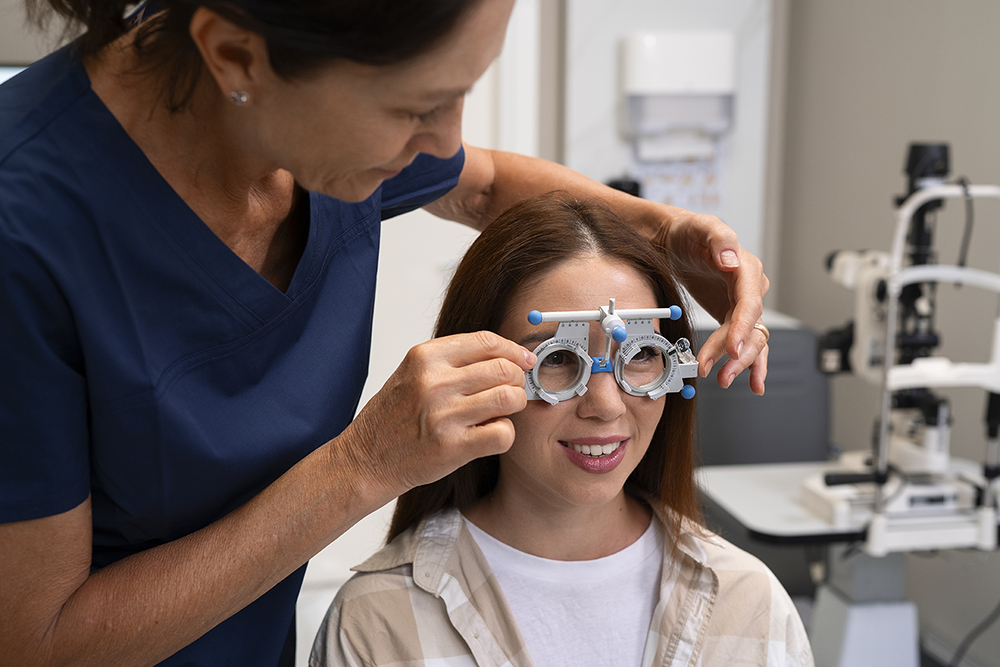
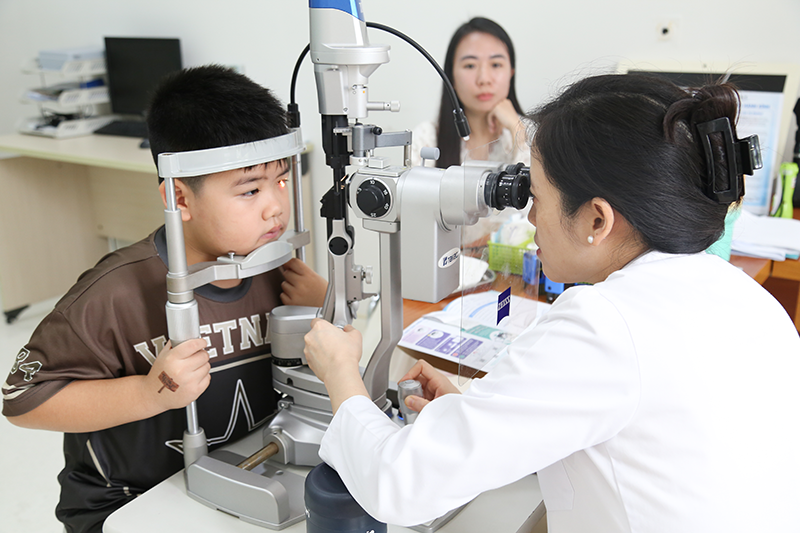
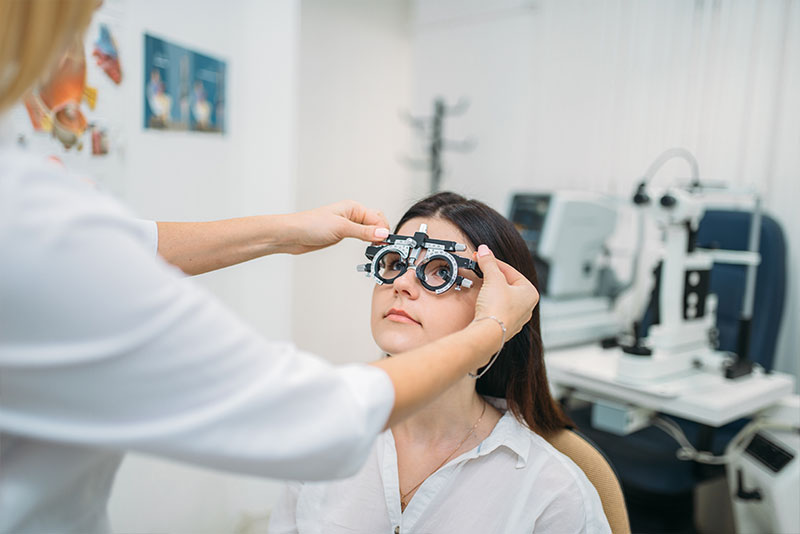
A comprehensive eye examination is a full assessment process designed to evaluate eye health, detect eye conditions early, and provide guidance on how to protect vision. It is one of the best ways to maintain healthy eyes and reduce the risk of vision loss.
The Importance of Regular Comprehensive Eye Examinations
Detect eye conditions early, such as myopia, astigmatism, hyperopia, cataracts, glaucoma, age-related macular degeneration, and other eye diseases.
Prevent serious complications and reduce the risk of vision loss.
Ensure accurate glasses prescriptions to help prevent amblyopia or eye strain.
Support the management of systemic conditions that can affect the eyes, such as diabetes and hypertension.
Who Should Have a Comprehensive Eye Examination?
Children: To check for refractive errors, amblyopia, and strabismus so that timely intervention can be provided.
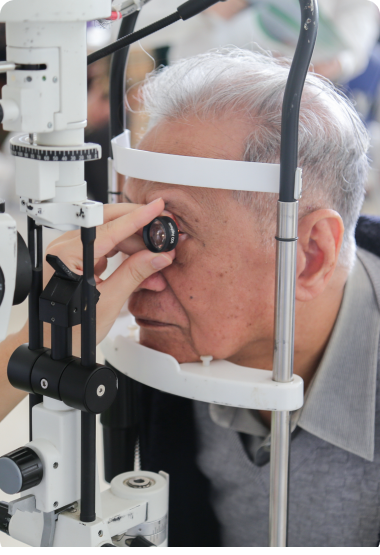
Older adults: To detect age-related macular degeneration, cataracts, and glaucoma.
Office workers: To check for computer vision syndrome and dry eye caused by prolonged screen use.
People with chronic conditions: Diabetes and hypertension can cause serious retinal damage.
When Should You Have a Comprehensive Eye Examination?
You should have an eye examination if you experience blurred vision, eye pain, excessive tearing, or sensitivity to light. You should also have regular eye checks if you are at high risk due to diabetes, high blood pressure, or a family history of eye disease. Recommended check-up frequency:
Children: At least once a year to monitor refractive errors.
Older adults: Twice a year to detect retinal diseases and glaucoma early.
IF YOU ARE CURRENTLY ON MEDICATION, you may continue taking it as prescribed unless otherwise instructed by your physician.
Office workers: Once a year to check vision and help prevent computer vision syndrome.
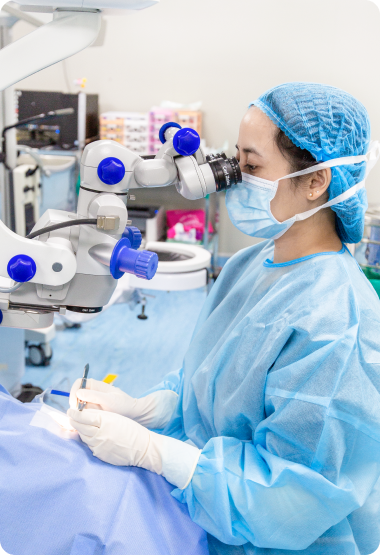
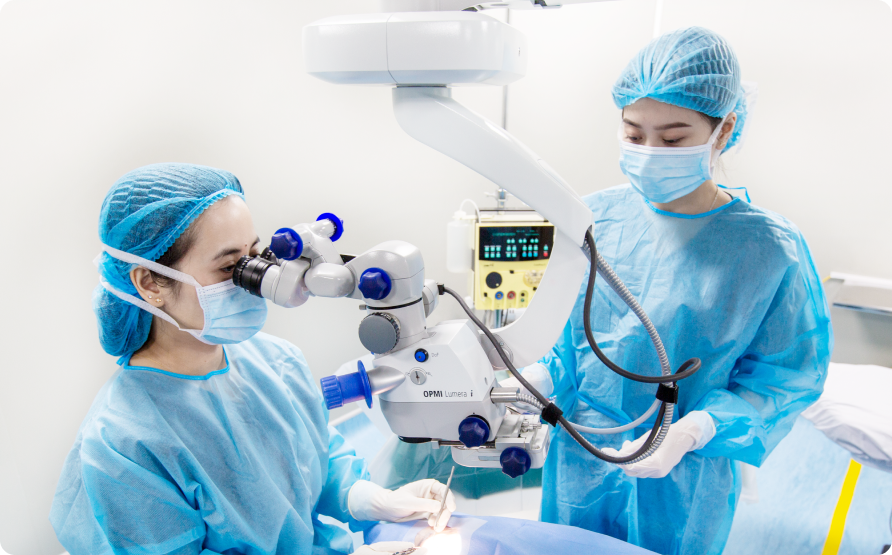
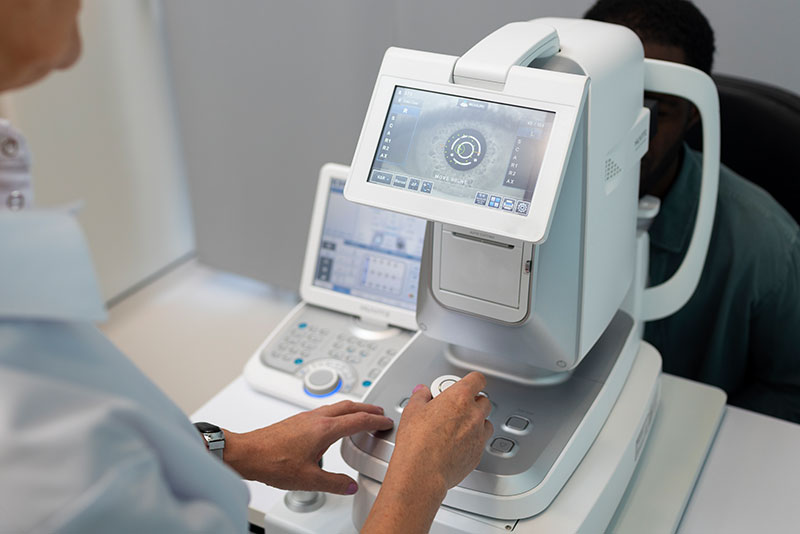
Alina invests in a fully integrated system of imported medical equipment from leading global brands, ensuring early and accurate diagnosis, safe surgery, and adherence to WHO quality control protocols.
There is no single treatment plan that fits everyone. Each treatment plan is tailored to the individual patient, with close monitoring throughout the recovery process.
A fast, streamlined process with dedicated support before, during, and after treatment.
Quality control in line with World Health Organization (WHO) standards.